Unlocking the Secrets of Vegan Meal Planning for Weight Loss: A Comprehensive Guide
If you’re looking to shed some pounds and embrace a healthier lifestyle, turning to a vegan diet could be your golden ticket. But jumping into veganism without a plan can be daunting. Whether you’re a seasoned vegan or a curious newcomer, understanding how to craft a balanced, weight-loss-friendly vegan meal plan is crucial. This guide will walk you through the essentials of vegan meal planning tailored for weight loss, making sure you’re well-informed, inspired, and ready to embark on your health journey.
Understanding Veganism and Its Benefits for Weight Loss
Veganism is more than just avoiding meat and dairy; it’s about focusing on plant-based ingredients that nourish and sustain. But why is it effective for weight loss? Plant-based diets are typically lower in calories and higher in essential nutrients and fiber which promotes satiety and reduces overall calorie intake.
The Nutrient Powerhouse
Adopting a vegan diet means you might be eating more fruits, vegetables, legumes, and whole grains. These foods are not only lower in calories but are packed with vitamins, minerals, and fiber that help in maintaining a healthy body weight.
Metabolism Boost
A well-planned vegan diet can boost your metabolism, prompting your body to burn more calories. Foods rich in antioxidants and fiber can enhance metabolic rate by improving gut health and insulin sensitivity.
Essential Components of a Vegan Meal Plan for Weight Loss
Successful weight loss on a vegan diet relies on careful planning and understanding the nutritional content of your meals. Let’s break down the core components:
1. Protein Sources
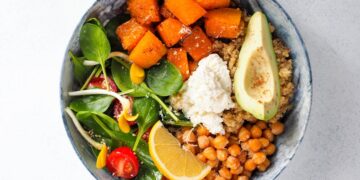
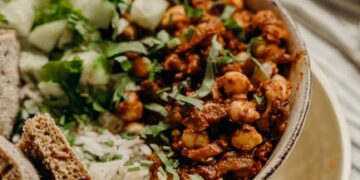
Even without meat, plenty of vegan foods are rich in protein. Include items like lentils, chickpeas, quinoa, tofu, and tempeh in your meals to keep your protein levels optimal.
2. Healthy Fats
Fats are crucial for hormonal balance and brain health. Avocados, nuts, seeds, and olive oil are great sources of monounsaturated and polyunsaturated fats.
3. Complex Carbohydrates
Carbohydrates are your body’s primary energy source. Choose complex carbs like whole grains, sweet potatoes, and brown rice, which provide long-lasting energy and fiber.
4. Vitamins and Minerals
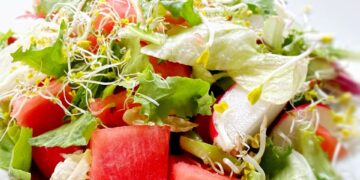
Spinach, kale, bell peppers, and berries are high in essential vitamins and minerals that support overall health, from skin quality to immune function.
5. Hydration
Finally, staying hydrated is essential. Water aids in digestion and helps you feel full, stopping you from overeating. Herbal teas and infused water with fruits can also be refreshing choices.
Planning Your Vegan Meals: Tips and Strategies
A well-thought-out meal plan can be your best ally in the weight loss journey. Here are some actionable steps to get you started:
Plan Ahead
Allocate some time each week to plan your meals. This can save you time, reduce food waste, and keep your diet on track. Prepare a shopping list to avoid buying unnecessary items that might tempt you off course.
Portion Control
Eating vegan doesn’t give a free pass to unlimited portions. Understanding portion sizes can help manage caloric intake while ensuring you receive adequate nutrients.
Prep Meals in Advance
Meal prepping can deter the temptation to grab a less healthy, convenient option when you’re busy or tired. Cook and store your meals in clear, portioned containers for better control and accessibility.
Snack Wisely
Choose snacks that are satisfying and nutrient-dense. For instance, carrot sticks with hummus, almond yogurt with berries, or a small handful of nuts can be filling and nutritious.
Vary Your Diet
To ensure all nutrient needs are met — and to keep your taste buds interested — mix up the types of foods you eat every week. This diversity also helps harness different beneficial nutrients each plant type offers.
Common Pitfalls and How to Avoid Them
While switching to a vegan diet for weight loss is exciting, here are some common traps to avoid:
Underestimating Calories
Not all vegan foods are low in calories. Be mindful of caloric intake, especially with foods like nuts, seeds, and oils.
Ignoring Protein
Protein is crucial for muscle repair and satiety. Ensure you include protein-rich foods in every meal to stay balanced and full.
Forgetting Whole Foods
It’s easy to fall for processed vegan products which may be high in sugar and fat. Focus on whole, unprocessed foods as the cornerstone of your diet for optimal health.
Conclusion: Your Path to a Healthier You
Embarking on a vegan diet for weight loss can be a transformative journey, not just for your body, but for your overall health and well-being. With the right tools and mindset, uncovering the secrets to effective vegan meal planning can be straightforward and enjoyable. Take it one meal at a time, listen to your body, and adjust as you go along. Happy meal planning!