Unlocking the Secrets of Nutrition for Muscle Gain: What You Need to Know
Have you ever wondered why some people seem to gain muscle so effortlessly while you struggle even after countless hours in the gym? The secret often lies not just in their workout routines, but significantly in their nutritional habits. Understanding the foundational aspects of nutrition can act as a game-changer in your quest for muscle gain. Let’s dive deep into the essentials of muscle-building nutrition, clear common confusions, and discover practical steps to enhance your results.
Why Nutrition is Your Gym Workout’s Best Friend
Nutrition for muscle gain is not just about eating more—it’s about eating right. To build muscle, your body requires specific nutrients in the right proportions. These nutrients support workout recovery, muscle repair, and growth, essentially turning your food into fuel for strength.
The Role of Macro and Micronutrients
Effective nutrition hinges on understanding macros (proteins, carbohydrates, fats) and micros (vitamins and minerals) and their roles:
- Proteins: Often dubbed the building blocks of muscle, proteins are crucial for the repair and growth of muscle tissues.
- Carbohydrates: They are the primary energy source during high-intensity workouts. Adequate carbs ensure your body doesn’t use protein for energy, which can hinder muscle growth.
- Fats: Essential for hormonal balance, including testosterone and growth hormone levels, both vital for muscle development.
- Vitamins and Minerals: Nutrients like iron, vitamin D, and calcium play significant roles in supporting metabolic pathways that influence muscle growth.
Nutritional Strategies for Optimal Muscle Gain
Successfully gaining muscle mass involves more than just knowing what to eat. It’s also about the timing and quantity of nutrients. Here are tailored strategies to maximize your muscle growth:
Calorie Surplus: The Right Boost
To build muscle, your body requires extra energy. Consuming more calories than you expend creates a caloric surplus, providing your body with the energy needed to fuel muscle growth.
Protein: Quality and Quantity Matter
Aiming for 1.6 to 2.2 grams of protein per kilogram of body weight daily can propel muscle gain. Opt for high-quality sources like chicken, fish, dairy, and plant-based proteins like lentils and chickpeas.
Timing Your Nutrients
Eating right before and after your workout is pivotal. A combination of protein and carbohydrates prior to training can energize your session while fueling your muscles post-workout aids in repair and growth.
Must-Try Foods that Fire Up Muscle Growth
Incorporating a variety of foods into your diet can cover various nutrients necessary for muscle mass gain. Here’s a roundup of powerhouse foods:
- Chicken Breast: A lean source of protein that’s versatile for any meal.
- Quinoa: A great plant-based protein that also serves as an excellent carbohydrate source.
- Eggs: They provide high-quality protein along with essential vitamins D and B12.
- Salmon: Offers protein and is rich in omega-3 fatty acids, aiding in muscle recovery and inflammation.
- Greek Yogurt: Contains double the protein of regular yogurt and a good source of calcium.
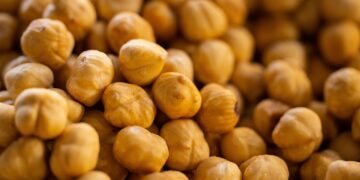
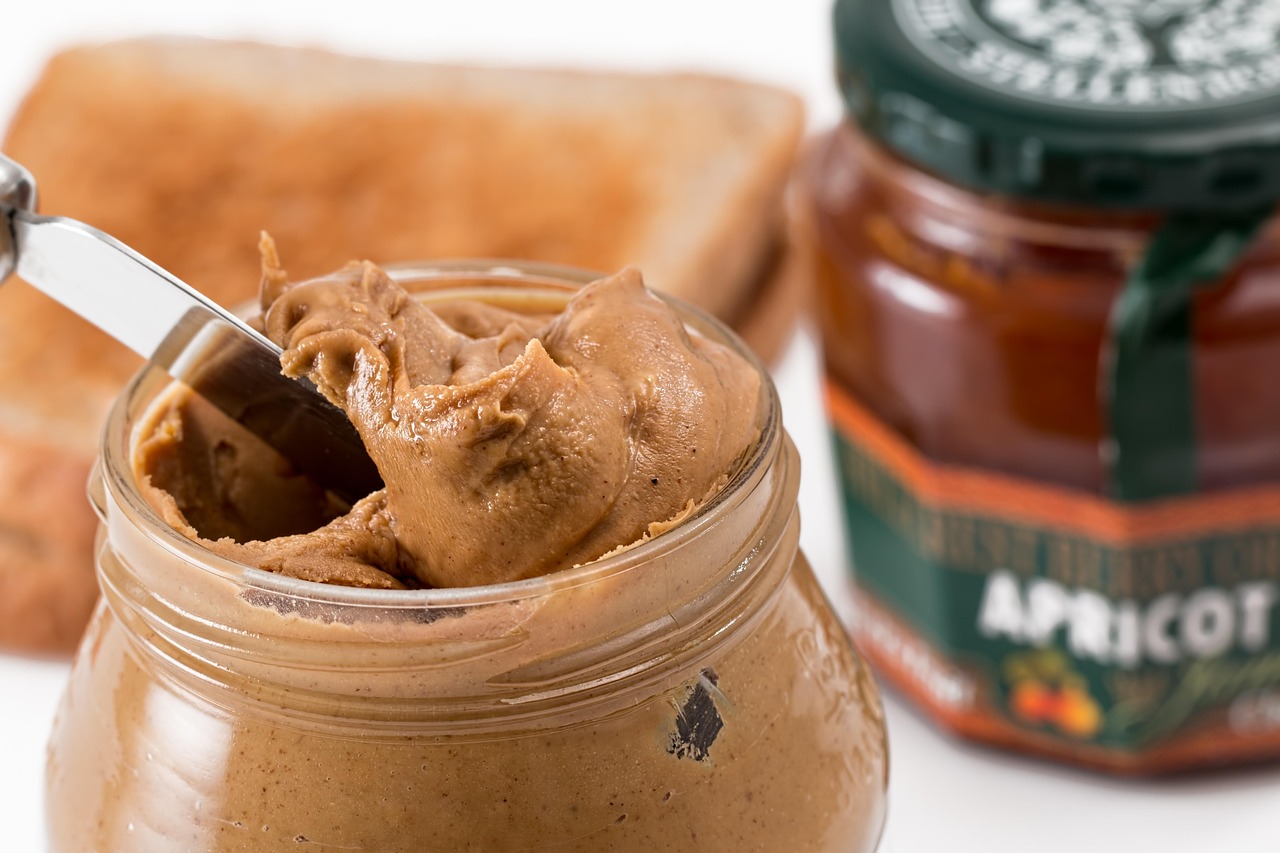
- Nuts and Seeds: Great for snacks, they offer healthy fats, proteins, and fiber.
FAQs on Nutrition for Muscle Gain
How much protein do I really need to gain muscle?
While needs can vary, a general guideline is 1.6 to 2.2 grams of protein per kilogram of body weight for active individuals aiming for muscle gain.
Can fats be part of a muscle-building diet?
Yes, fats are essential! They play a critical role in hormone production and nutrient absorption. Focus on healthy sources like avocados, nuts, and fish.
Is it necessary to use supplements?
Supplements can help cover nutrient gaps but aren’t mandatory. Focus on getting nutrients from whole foods first. Supplements like whey protein can be beneficial if dietary protein intake is insufficient.
Implementing What You’ve Learned
Start applying these nutritional secrets today. Tailor your diet to include a mix of proteins, carbs, and fats, manage your caloric intake, and give your body the nutrients it needs right around your workouts. Remember, consistency is key.
Conclusion
Nutrition isn’t just a part of muscle building—it’s at the core of it. With the right nutrients, caloric intake, and nutrient timing, you can significantly enhance your muscle gains. It’s not about transforming overnight but enjoying progressive and sustainable growth. Fuel your muscles, and fuel your strength!