Unlock the Secrets of Heart-Healthy Foods for a Vibrant Life
Discovering the secrets to a heart-healthy diet isn’t just about avoiding fast food – it’s about filling your plate with foods that can positively impact your heart health. Here, we’ll explore the essentials of heart-healthy eating and how simple changes can enhance your well-being and vitality.
Understanding Heart-Healthy Foods
Heart-healthy foods are those that contribute to the longevity and strength of your cardiovascular system. Incorporating a variety of these nutrient-rich foods into your diet can help reduce the risk of heart disease and boost overall health.
Key Components of a Heart-Healthy Diet
The foundation of any heart-healthy diet revolves around key nutrients that support heart function and reduce harmful inflammation. These include:
- Omega-3 Fatty Acids: These are found in foods like salmon, walnuts, and flaxseeds, and are known for their effectiveness in lowering blood triglycerides and enhancing overall heart health.
- Fiber: Whole grains, vegetables, and fruits are not just good for digestion; they are essential for heart health too. Fiber helps in reducing cholesterol levels and maintaining a healthy blood pressure.
- Antioxidants: These substances, which include vitamins C and E, can protect your arteries from damage and support heart health. Berries, nuts, and spinach are great sources.
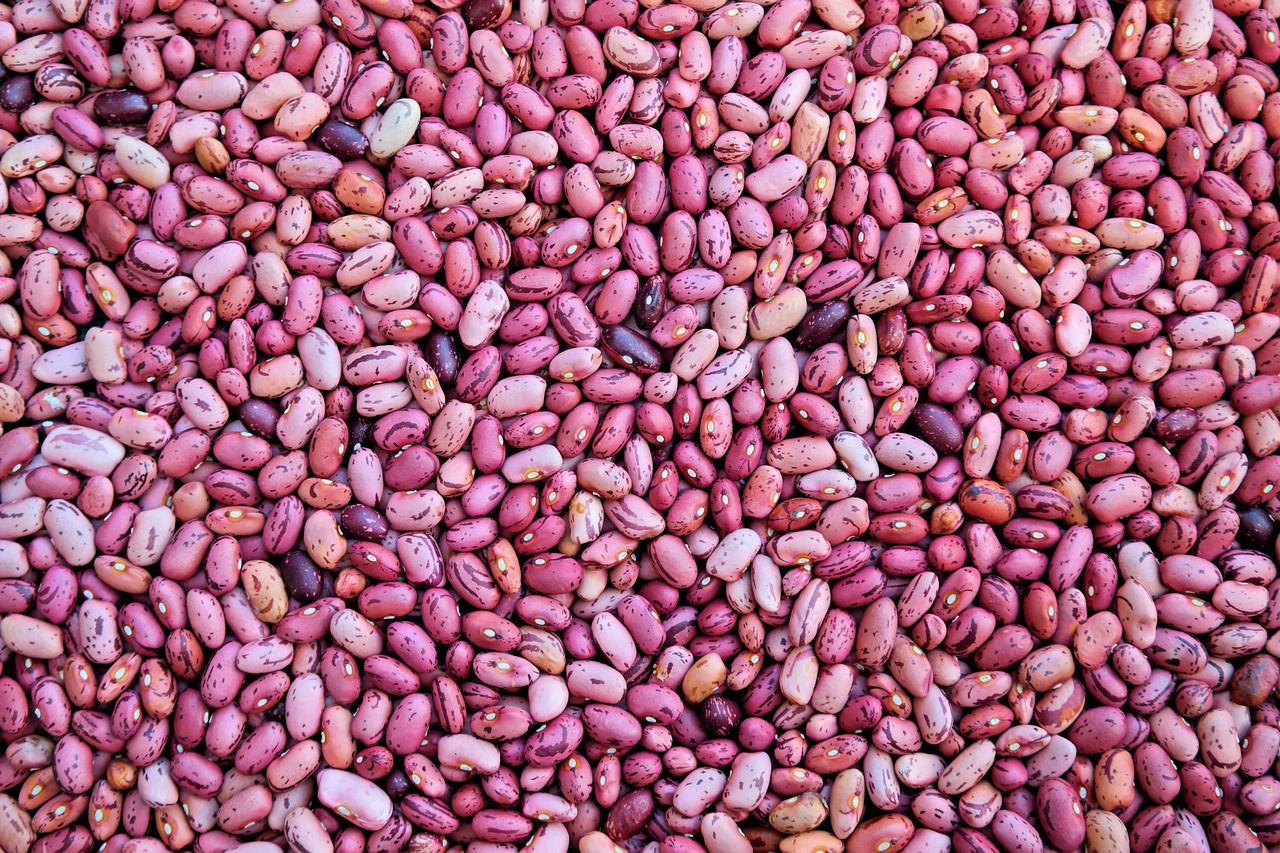
- Potassium: Helping to counterbalance sodium in the body, this nutrient is vital in controlling blood pressure. Bananas, potatoes, and beans are excellent sources.
What to Limit or Avoid
Just as important as knowing what to eat is knowing what foods to reduce or eliminate:
- Saturated and Trans Fats: Typically found in fried foods, processed snacks, and desserts, these fats can increase bad cholesterol levels and risk of heart disorders.
- Sodium: Excessive sodium intake can lead to high blood pressure, a leading risk factor for heart disease. Limit consumption of high-sodium processed foods and condiments.
- Sugar: High sugar intake is linked to obesity, inflammation, and high triglyceride levels, all of which are risk factors for heart disease.
Making Smart Food Choices
Adopting a heart-healthy diet involves more than just eating the right foods. It’s about making smarter food choices overall. Here’s how:
Cooking and Preparation Tips
How you prepare your food can be just as important as the food itself. Opt for cooking methods that retain nutrients and avoid unhealthy fats:
- Grilling, Broiling, and Steaming: These cooking methods do not require adding excess fat and preserve the integrity of the food.
- Use Herbs and Spices: Instead of salt or butter, try flavoring your dishes with herbs and spices like garlic, turmeric, or basil.
- Plan Ahead: Healthy eating starts with smart shopping. Make a list of heart-healthy foods when grocery shopping and stick to it to avoid impulse buying unhealthy foods.
Simple Substitutions for Heart Health
Small substitutions can make a big difference in your heart health. Try these simple swaps:
- Opt for Whole Grains: Replace white bread, pasta, and rice with whole grain alternatives like whole wheat bread and brown rice.
- Choose Lean Proteins: Opt for lean meats like poultry and fish, and plant-based proteins like legumes and tofu over red meat which can be high in saturated fats.
- Select Low-Fat Dairy: Substitute full-fat dairy products with low-fat or non-fat options to reduce your intake of saturated fats.
Engaging with Heart-Healthy Habits
Incorporating heart-healthy foods into your diet is a great first step towards a healthier life, but it doesn’t stop there:
Consistency is Key
Maintaining a consistently heart-healthy diet is essential for long-term health benefits. A cheat day once in a while is okay, but the benefits truly come from consistent, sustainable eating habits.
Exercise and Heart Health
Pair your heart-healthy diet with regular exercise to maximize the benefits. Activities like walking, cycling, or swimming can help strengthen your heart and improve circulation.
Monitor Your Progress
Keep track of your health progress by scheduling regular check-ups with your doctor and monitoring your heart health through regular blood pressure and cholesterol checks.
Conclusion: A Heart-Healthy Diet for a Vibrant Life
Embracing a heart-healthy diet enriches your life, not just by adding years to it but also by improving the quality of every single day. With the right foods, preparation methods, and consistent habits, you can enjoy vibrant health and a stronger heart. Remember, each meal is an opportunity to nourish your body and protect your heart; make choices that reflect your commitment to living your healthiest life.