Fueling Champions: How a Vegan Meal Plan for Athletes Boosts Stamina and Strength
When we think of athletes, images of rigorous training and strict diet regimens come to mind. Traditionally, these diets have been heavily reliant on animal proteins. However, a growing number of athletes are turning to plant-based eating, discovering that a vegan meal plan not only matches but possibly enhances their strength and stamina. Let’s dive into how adopting a vegan regimen can fuel champions effectively.
The Nutritional Science Behind Vegan Diets for Athletes
At a glance, the core of vegan nutrition for athletes focuses on plant-based foods that are rich in proteins, carbohydrates, fats, vitamins, and minerals—essentials for endurance and muscle recovery. Here’s a breakdown of these components:
Protein: The Building Block of Muscle
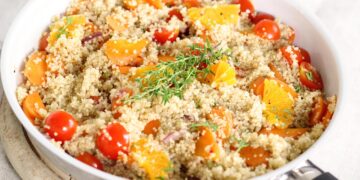
While meat is a well-known source of protein, there are plenty of plant-based options packed with this crucial muscle builder. Legumes, nuts, seeds, and soy products like tofu and tempeh provide high-quality protein necessary for muscle repair and growth. For instance, a cup of cooked lentils packs about 18 grams of protein. Quinoa and amaranth are complete proteins, containing all nine essential amino acids.
Carbohydrates: The Power Source
Carbohydrates are the primary energy source for high-intensivity training. Foods like whole grains, fruits, and vegetables not only fuel the body but also offer fiber, vitamins, and minerals. Oats, brown rice, sweet potatoes, and bananas are staples in an athlete’s vegan diet, ensuring a steady energy supply during long training sessions or competitions.
Fats: Essential for Health
Healthy fats are crucial for joint health and energy. Avocado, nuts, seeds, and olive oil provide omega-3 fatty acids that combat inflammation, crucial for recovering from workouts and injuries.
Vitamins and Minerals: Supporting Overall Health
A diverse vegan diet provides a wide array of vitamins and minerals essential for athletic performance. Iron, which is vital for oxygen transport in the blood, can be found in fortified cereals and dark leafy greens. Calcium and vitamin D, important for bone health, can be sourced from fortified plant milks and mushrooms exposed to sunlight.
Real-Life Vegan Athletes Who Thrive
The tangible benefits of a vegan diet are perhaps most vividly illustrated by athletes who have adopted it. Venus Williams, Lewis Hamilton, and Novak Djokovic are just a few elite competitors who attribute part of their professional success to their vegan diet choices.
Venus Williams: Serving Up Wins
After being diagnosed with an autoimmune disease, tennis champion Venus Williams switched to a vegan diet. She credits this change with reducing inflammation and improving her energy levels, which helped her continue competing at the highest levels of tennis.
Lewis Hamilton: Racing on Plant Power
Formula One driver Lewis Hamilton opted for a vegan diet to improve his health and performance, as well as for ethical and environmental reasons. Hamilton has noticed significant improvements in his energy levels and physical conditioning since making the switch.
Implementing a Vegan Diet: Tips for Athletes
Making the transition to a vegan diet doesn’t have to be daunting. Here are some strategies to ensure a smooth shift:
Start Gradually
Transitioning gradually allows your body to adapt. Begin by incorporating more plant-based meals into your diet before completely eliminating animal products.
Focus on Variety
Eat a wide variety of foods to cover all your nutritional bases. This not only ensures you get a range of nutrients but also keeps meals exciting and flavorful.
Monitor Your Intake
Keep an eye on essential nutrients such as protein, iron, and Vitamin B12. Consider using supplements if necessary, especially for nutrients that are primarily available from animal sources.
Plan Your Meals
Athletes have specific nutritional needs. Planning meals ensures you have the right balance of carbohydrates, proteins, and fats to fuel both training and recovery.
Conclusion: Heralding a New Era in Sports Nutrition
The rise of vegan diets in the athletic world challenges long-held beliefs about nutrition and performance. With proper planning and consideration, plant-based diets can provide all the necessary nutrients to compete at the highest levels. Whether you’re an aspiring athlete or a seasoned professional, consider how a vegan meal plan might not just meet but exceed your health and performance needs. Champions are, after all, not only made in the gym but also in the kitchen.