Essentials for Your Vegan Lifestyle Grocery List: A Beginner’s Guide
Embarking on a vegan lifestyle is an exciting journey filled with new discoveries and flavors. Whether you’re doing it for health reasons, ethical considerations, or environmental concerns, knowing what to include on your grocery list can make all the difference. This guide will provide you with a comprehensive breakdown of essentials to get you started, ensuring your transition to a vegan diet is both enjoyable and nutritious.
Fresh Produce: The Foundation of Vegan Cooking
Vegetables and fruits are the cornerstone of any vegan pantry. They’re not only versatile and delicious but also packed with essential nutrients. Here’s how to approach this category:
Vegetables
Focus on variety to ensure a wide range of nutrients. Staples include:
- Leafy greens such as spinach, kale, and arugula for salads and smoothies.
- Root vegetables like carrots, beets, and potatoes for hearty meals.
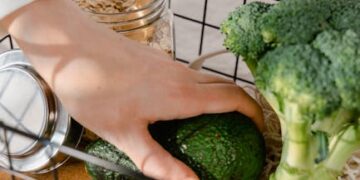
- Cruciferous vegetables such as broccoli and Brussels sprouts, excellent for roasting or steaming.
Fruits
Incorporate fruits that serve multiple purposes, such as:
- Bananas – perfect for smoothies or as a natural sweetener in baking.
- Berries – great for oatmeal, yogurt, or as a nutritious snack.
- Apples and oranges – handy for snacks and to add sweetness or tang to salads.
Tips: Visit local farmers’ markets for fresh and organic options. Also, seasonality can influence the price and freshness, so choose seasonal produce where possible.
Protein Sources: Building Blocks for Your Body
Getting adequate protein is a common concern when switching to a vegan diet. Include a variety of plant-based proteins to ensure you get all essential amino acids.
Legumes
Beans, lentils, and chickpeas are great for soups, stews, salads, and more. They are affordable, nutritious, and filling.
Tofu and Tempeh
These soy-based products are fantastic protein sources and can mimic many traditional meat textures.
Nuts and Seeds
Almonds, chia seeds, and flaxseeds are not only high in protein but also omega-3 fatty acids, which are vital for heart health.
Tip: Experiment with different herbs and spices to enhance the flavors of plant-based proteins.
Whole Grains: Energize Your Day
Whole grains are important for a balanced vegan diet, providing essential vitamins, minerals, and fiber.
Essential Whole Grains
Quinoa, brown rice, and whole grain pastas are versatile and can be used in various dishes.
Tip: Cook grains in bulk at the beginning of the week to save time on busy days.
Dairy Alternatives: Delicious and Nutritious
Today’s market offers a plethora of plant-based dairy alternatives that can easily replace traditional dairy products.
Milk Alternatives
Almond, soy, and oat milks are popular choices. They work well in both cooking and baking.
Cheese and Yogurt Alternatives
Look for non-dairy cheeses and yogurts made from nuts or soy. These are perfect for topping off dishes or enjoying as a snack.
Tip: Always check the nutritional content as some alternatives can be high in added sugars and low in protein.
Healthy Fats: Essential for Balanced Nutrition
Fats are crucial for brain health and energy levels. Incorporate a selection of healthy fats into your diet.
Oils and Butters
Olive oil, coconut oil, and avocado oil are excellent for cooking and dressings. Nut butters, like almond or peanut butter, are great for smoothies or as a spread on whole-grain toast.
Tip: Opt for cold-pressed oils as they retain more nutrients and natural flavors.
Condiments, Herbs, and Spices: Flavorful Additions
The right condiments, herbs, and spices can transform a simple meal into a delightful culinary experience.
Key Ingredients
Stock up on vegetable broth, vinegars, nutritional yeast, and a variety of dried and fresh herbs and spices to add depth and flavor to your dishes.
Tip: Nutritional yeast is a must-have for vegan cooking, providing a cheesy flavor and a boost of B-vitamins.
Conclusion: Ready to Shop for a Vegan Lifestyle
Starting a vegan diet can be simple and exciting with the right ingredients. By keeping your pantry stocked with these essentials, you’ll be well-prepared to create nutritious and delicious vegan meals. Remember, the key is diversity—incorporating a variety of ingredients will ensure that your diet is balanced and satisfying. Happy cooking!