Starting Right: A Balanced Vegan Diet Plan for Beginners
Embarking on a vegan lifestyle is an exciting journey. However, understanding how to balance your meals to meet nutritional needs can be challenging initially. This guide will delve into creating a fulfilling and nutritious vegan diet plan that caters to beginners, aiming to furnish you with everything necessary to adopt this healthy, plant-based life with confidence.
Understanding the Basics of a Vegan Diet
Before we explore the specifics of a diet plan, let’s dissect what a vegan diet entails. Essentially, it involves excluding all animal products — meat, dairy, eggs, and even honey — and focusing predominantly on plants. Foods like fruits, vegetables, legumes, grains, nuts, and seeds become staples. It’s a diet rooted in diversity and health.
Why Choose Vegan?
Veganism is chosen for various reasons, including health benefits, environmental concerns, and ethical reasons related to animal welfare. Embracing a vegan diet can lead to a lower risk of diseases such as hypertension, heart disease, and type 2 diabetes.
Creating a Balanced Vegan Diet Plan
Your aim should be a diet that’s diverse enough to supply all the necessary nutrients. Here’s how you can categorize the essential components:
1. Protein Sources
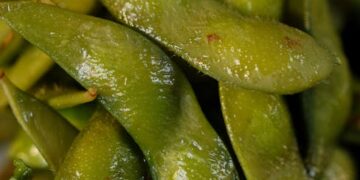
Protein is crucial for muscle repair and overall growth. Excellent vegan sources include legumes (like lentils and beans), tofu, seitan, edamame, quinoa, and tempeh. Try incorporating these into different meals throughout the day to ensure ample intake.
2. Essential Fats
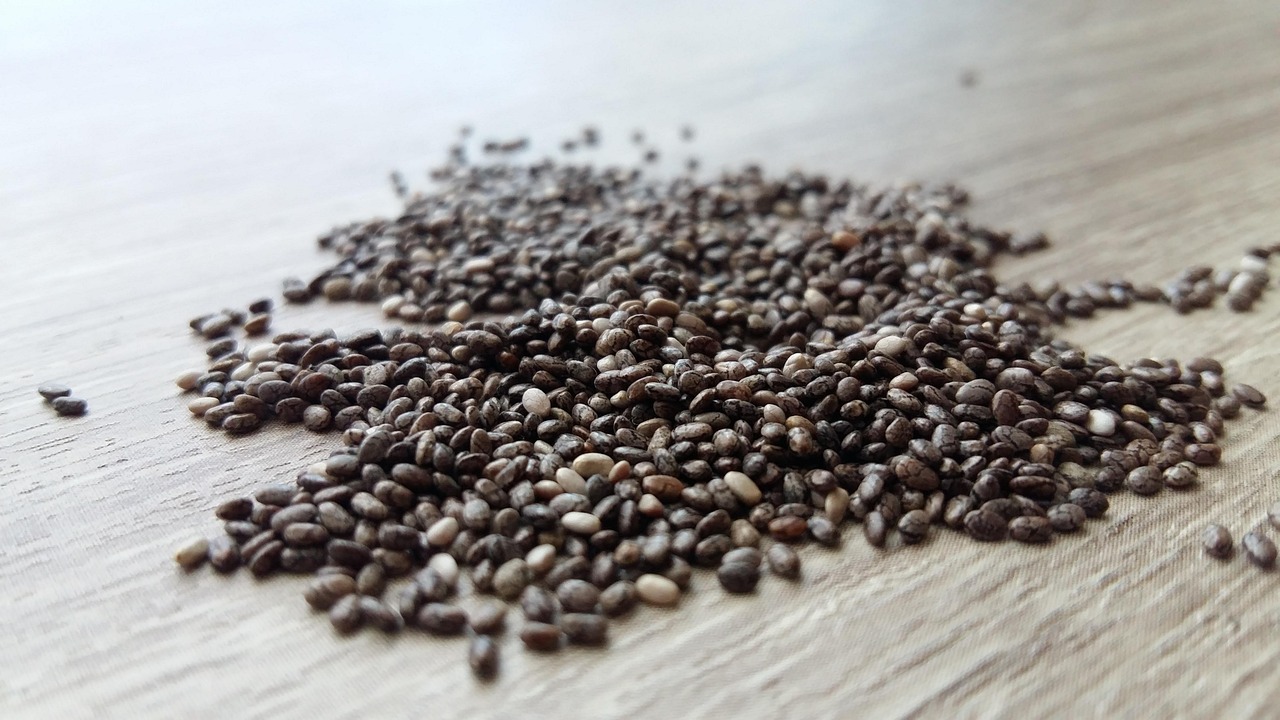
Fats are vital for brain health and energy. Focus on healthy sources such as avocados, nuts, seeds, and olive oil. Moreover, Omega-3 fatty acids, which are predominantly found in fish, can be sourced from flaxseeds, chia seeds, and walnuts or supplemented with algae-based Omega-3 pills.
3. Vitamins and Minerals
A varied diet usually covers most vitamins and minerals, but Vitamin B12, typically found in meat, must be supplemented. Fortified foods or Vitamin B12 supplements can easily fulfill this need. Ensure adequate iron intake (found in leafy greens and legumes) by pairing such foods with Vitamin C-rich items like tomatoes or citrus fruits to enhance absorption.
4. Carbohydrates
Carbs are the primary energy source for your body and brain. Opt for whole, unprocessed carbs like whole grains, potatoes, and fruits rather than refined options to gain the full spectrum of nutrients and fiber.
Meal Planning Tips for a Balanced Vegan Diet
Starting a vegan diet requires some planning to maintain balance and satisfaction in your meals. Here are practical tips to get started:
Plan Your Meals Weekly
Sketching out your meals for the week can help ensure variety and prevent nutrient deficiency. Include a wide range of vegetables, proteins, and grains to keep things balanced and interesting. Invest in a good cookbook or follow vegan cooking blogs for inspiration.
Prep in Advance
To save time and avoid decision fatigue, prepare portions of your meals in advance. Batch cooking grains and legumes and chopping vegetables can make assembling meals during the week quick and easy.
Keep Snacks Handy
Healthy vegan snacks can prevent hunger and provide extra nutrients. Consider options like carrot sticks with hummus, almonds, fruit, or whole-grain crackers. These snacks are not only nutritious but also delicious and fulfilling.
Sample Vegan Meal Plan for Beginners
To kickstart your vegan journey, here’s a simple, flexible meal plan that covers all bases:
Day 1
- Breakfast: Oatmeal topped with sliced almonds, chia seeds, and berries.
- Lunch: Quinoa salad with chickpeas, cucumber, cherry tomatoes, and avocado, dressed with lemon tahini dressing.
- Dinner: Stir-fried tofu with broccoli, bell peppers, and teriyaki sauce, served over brown rice.
- Snacks: Apple slices with almond butter.
Overcoming Common Vegan Diet Challenges
Transitioning to a vegan diet can come with its set of challenges, such as dietary restrictions at social events or the perceived cost of vegan foods.
1. Eating Out
Research restaurants ahead of time to find vegan-friendly options. Most places offer plant-based choices, and some are willing to customize dishes based on dietary needs.
2. Meeting Nutritional Needs
Keep informed about the nutrients typically harder to obtain from a vegan diet, such as Iron, Calcium, and Vitamin B12, and strategize your diet plan to include sources or supplements of these nutrients.
Conclusion: A Journey Worth Taking
Starting a vegan diet as a beginner can seem daunting, but proper planning and a little creativity can make it an immensely rewarding journey. Embrace the diversity of plant-based foods, explore new recipes, and enjoy the health benefits of a balanced vegan diet. Remember, every meal is a step towards a healthier you and a better planet.