Unlock Your Energy: A Guide to the High Protein Vegan Meal Plan Weekly
Going vegan doesn’t mean you need to give up on protein, nor does it compromise your energy levels. In fact, a well-structured high-protein vegan meal plan can revitalize your energy, improve your health, and tantalize your taste buds all week long. Adopting a protein-rich vegan lifestyle can seem challenging at first, especially when planning meals for the entire week. This guide promises to seamlessly help you navigate through this seemingly complex task, making your journey both enjoyable and fruitful.
Understanding the Basics: Why Protein?
Protein is an essential macronutrient that plays a critical role in the functioning of our bodies. It helps in building and repairing tissues, making enzymes and hormones, and providing a source of energy when carbohydrates are not available. Unlike some popular beliefs, plenty of plant-based sources offer abundant protein.
Benefits of a High Protein Vegan Diet
Emphasizing high protein intake on a vegan diet can:
- Boost Muscle Health: Protein is the building block of muscle; hence, sufficient intake is crucial, especially if you are physically active.
- Enhance Metabolism: Protein-rich foods require more energy to digest, thus potentially raising metabolism and helping with weight management.
- Improve Overall Health: A varied diet full of plant-based foods provides dietary fiber, essential vitamins, and minerals which contribute to improved gut health and reduced risk of chronic diseases.
Planning Your High Protein Vegan Weekly Meal Plan
Creating a meal plan doesn’t have to be a hassle. Here are some tips and strategies to get you started:
Tip 1: Know Your Protein Sources
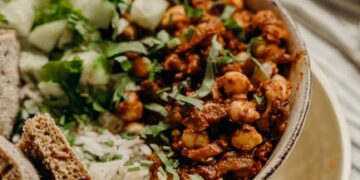
Familiarize yourself with vegan proteins like lentils, chickpeas, quinoa, tofu, tempeh, and a variety of nuts and seeds. Each of these ingredients can be the cornerstone of your meals throughout the week.
Tip 2: Prep in Bulk
Bulk preparation once or twice a week saves time and ensures you always have a high-protein meal ready. Cook large quantities of beans, lentils, and quinoa, and store them in the fridge or freezer.
Tip 3: Incorporate Variety
Vary your protein sources and accompanying vegetables and grains to keep meals interesting and nutritionally balanced. This also helps in covering a broad spectrum of amino acids, vitamins, and minerals.
Sample High Protein Vegan Meal Plan
Here’s a simple layout of what a week’s worth of high-protein vegan meals can look like:
Monday
- Breakfast: Vegan protein shake with pea protein, banana, and almond milk.
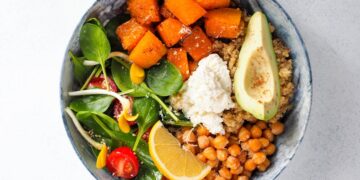
- Lunch: Quinoa salad with chickpeas, cucumber, cherry tomatoes, and avocado.
- Dinner: Stir-fried tempeh with broccoli, bell peppers, and a soy sauce glaze.
Tuesday
- Breakfast: Oatmeal bowl topped with chopped nuts, flaxseeds, and blueberries.
- Lunch: Lentil soup with carrots, tomatoes, and kale.
- Dinner: Vegan chili made with black beans, kidney beans, and textured vegetable protein (TVP).
Wednesday
Frequently Asked Questions
How Much Protein Do I Need?
The amount of protein needed can vary based on your age, sex, activity level, and health goals. Generally, aiming for 0.8 grams of protein per kilogram of body weight is a good rule of thumb, but you may need more if you are very active.
Can I Get All Essential Amino Acids from a Vegan Diet?
Yes, by eating a variety of protein sources throughout the day, you can obtain all essential amino acids necessary for your body.
Conclusion
Embracing a high-protein vegan lifestyle doesn’t just contribute to the well-being of the planet—it can also unlock a new level of vitality and health for you. Remember, balance is key in any diet. Equipping yourself with the right knowledge and tools can turn the daunting task of weekly meal preparation into an invigorating and enjoyable experience. Start your path to a healthier lifestyle today with the vibrant world of vegan proteins!