Unlock the Power of Plant-Based Protein: Top Sources for Vegans and Vegetarians
Are you a vegan or vegetarian looking to power up your protein intake? Embracing a plant-based diet doesn’t mean you have to skimp on this essential macronutrient. Whether you’re aiming to build muscle, manage weight, or simply ensure a balanced diet, the plant kingdom offers a rich variety of protein-packed foods to fuel your health journey.
Why Focus on Plant-Based Proteins?
Plant-based proteins offer more than just protein. They come loaded with vitamins, minerals, fiber, and antioxidants, making them nutritional powerhouses that can help reduce the risk of chronic diseases such as diabetes, cardiovascular diseases, and cancer. Plus, opting for plant sources of protein is an eco-friendly choice, as it generally requires less land, water, and energy compared to animal-based proteins.
The Best Plant-Based Protein Sources
Here are some of the top plant-based sources that can add both variety and nutrition to your vegan or vegetarian lifestyle:
1. Legumes
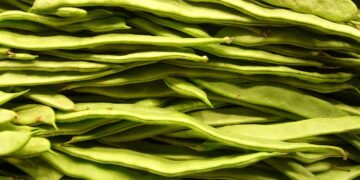
Beans, lentils, and peas are not only affordable but also among the most nutrient-dense sources of plant protein. For instance, a cup of cooked lentils offers about 18 grams of protein. These little powerhouses also provide ample fiber, helping you feel full and satisfied.
2. Tofu and Tempeh
Made from soybeans, tofu and tempeh are staples in many vegetarian diets. Tofu is incredibly versatile and can take on any flavor, making it perfect for a wide array of dishes. Tempeh, which is fermented, offers a nuttier taste and more texture, plus an impressive 20 grams of protein per serving. These soy products also offer good amounts of calcium and iron.
3. Quinoa
Often referred to as a “super grain,” quinoa is actually a seed and a complete protein, meaning it contains all nine essential amino acids that the body cannot produce on its own. One cup of cooked quinoa provides about 8 grams of protein. It’s also loaded with fiber and is gluten-free.
4. Nuts and Seeds
Almonds, chia seeds, flaxseeds, and hemp seeds are fantastic sources of protein, healthy fats, and other vital nutrients. They are perfect for a quick snack, a crunchy salad topping, or a smoothie boost. For example, just three tablespoons of hemp seeds can add about 10 grams of complete protein to your meal.
5. Nutritional Yeast
This cheesy-flavored condiment, popular among vegans, is fortified with proteins and vitamins, particularly B-vitamins. Two tablespoons of nutritional yeast can provide about 9 grams of protein, making it a great addition to soups, pastas, and popcorn.
6. Green Vegetables
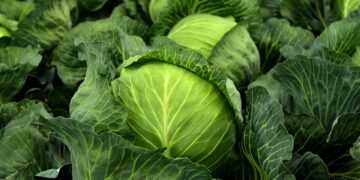
Though not as high in protein as legumes or seeds, vegetables like broccoli, spinach, and kale contribute to your overall protein intake. These greens are also high in iron and fiber, which are essential for overall health.
How to Incorporate More Plant-Based Proteins into Your Diet
Incorporating more plant-based protein into your diet can be simple and delicious. Here are some practical tips:
Mix up your meals
Try different protein sources throughout the week to keep meals exciting and nutritionally diverse. Each plant-based protein source offers unique benefits, so variety is crucial.
Plan ahead
Meal planning can help ensure you’re including adequate protein sources in your diet each day. Prepare beans or lentils in bulk and use them in different dishes throughout the week.
Snack smart
Choose snacks that provide a protein punch, like hummus with vegetables or a homemade trail mix with nuts and seeds.
Cook creatively
Experiment with new recipes that utilize plant-based proteins. For instance, try a tofu stir-fry, a tempeh burger, or a quinoa salad.
Common Questions about Plant-Based Proteins
Does plant-based protein offer the same quality as animal protein?
Yes, many plant-based proteins are complete proteins and all can contribute to meeting your protein needs when consumed in adequate quantities and through eating a diverse diet.
Can I get enough protein if I’m a vegan athlete?
Absolutely. Many successful athletes thrive on plant-based diets by carefully planning their nutrient intake and often using protein supplements. Foods like quinoa, beans, and soy products can significantly bolster your protein intake.
How can vegetarians avoid deficiencies in their diet?
By incorporating a variety of protein sources and ensuring intake of other essential nutrients like iron, calcium, and vitamin B12, vegetarians can maintain a well-rounded and healthy diet.
Conclusion
A diet rich in plant-based proteins is not only beneficial for your health but also for the environment. With a multitude of delicious and nutritious options available, vegans and vegetarians can easily meet their protein needs while enjoying a diverse, colorful, and satisfying diet. So, explore these protein powerhouses and energize your meals!