Unlock the Power of Protein: The Top Protein-Rich Foods for Your Diet
Whether you’re aiming to build muscle, lose weight, or simply maintain a healthy lifestyle, incorporating enough protein in your diet is essential. Protein is a powerhouse nutrient known for its energy-boosting capabilities and critical role in building and repairing tissues. In this comprehensive guide, we’ll explore the top protein-rich foods that can enrich your diet, thereby enhancing your overall health and well-being.
Why is Protein So Important?
Protein is one of the vital building blocks of bones, muscles, cartilage, skin, and blood. Beyond building materials, proteins are imperative for the creation and regulation of hormones and enzymes that keep our bodies functioning properly. Consuming adequate protein helps maintain muscle mass, supports metabolic rate, and contributes to a feeling of fullness, which can help with weight management.
Diverse Sources of Protein
Protein comes in various forms, and including a variety from both animal and plant sources can offer a blend of nutrients beneficial for health.
Animal-Based Proteins
Animal proteins are considered “complete” proteins because they provide all the essential amino acids your body needs. Here are some top animal-based proteins:
- Chicken Breast: Known for its high protein content and low fat, chicken breast is versatile and easy to prepare.
- Fish: Particularly fatty fishes like salmon and tuna, which are not only rich in protein but also omega-3 fatty acids, crucial for heart health.
- Eggs: Eggs are excellent sources of protein and contain vital vitamins and minerals.
- Dairy Products: Milk, cheese, and yogurt offer high-quality protein along with calcium and other essential nutrients.
Plant-Based Proteins
For those following a vegetarian or vegan diet, there are numerous plant-based proteins that are both nutritious and filling:
- Lentils: A great source of protein and fiber, lentils are also rich in minerals like iron and folate.
- Chickpeas: Versatile and filling, chickpeas are perfect for salads, soups, and as the main ingredient in hummus.
- Quinoa: Unlike most plant proteins, quinoa is a complete protein, which means it contains all nine essential amino acids.
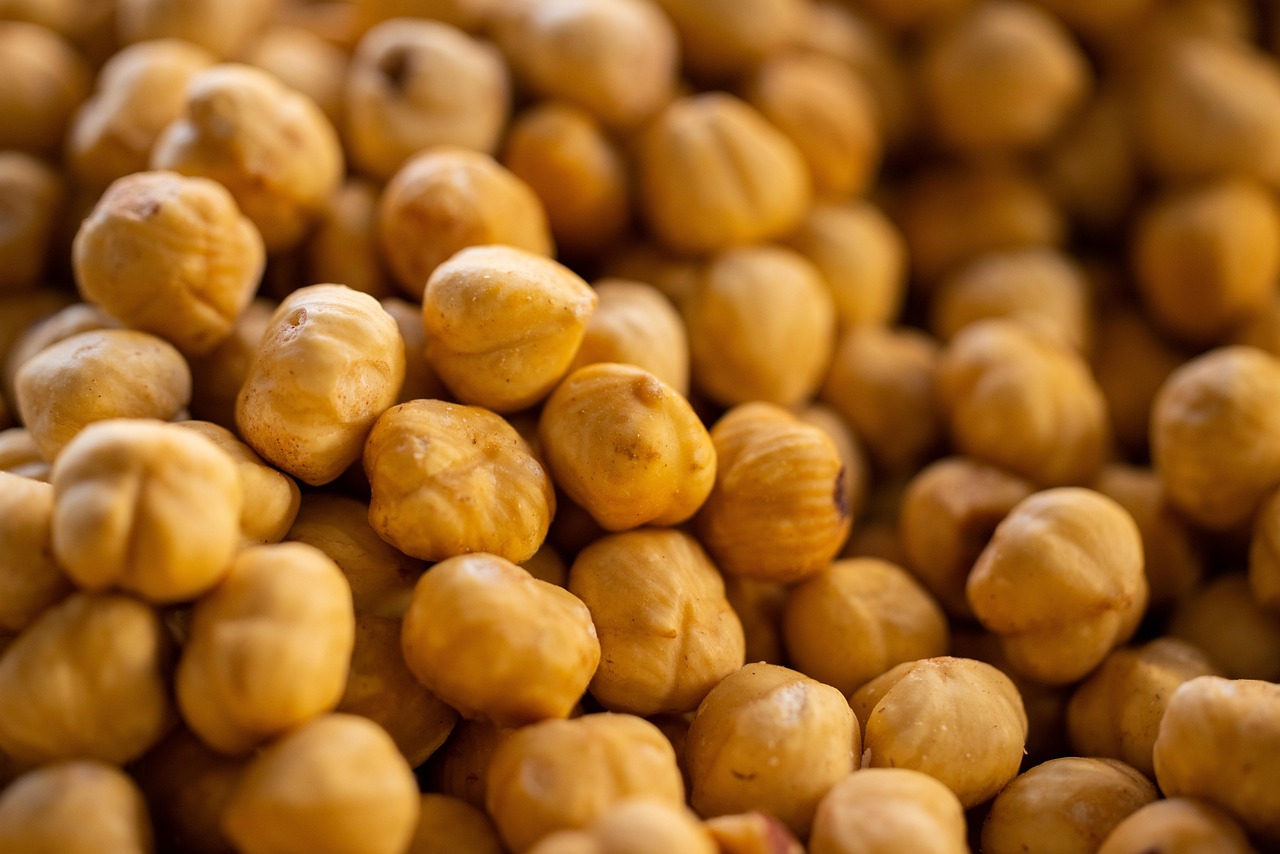
- Nuts and Seeds: Almonds, chia seeds, and flaxseeds are not only protein-rich but also provide healthy fats.
Integrating Protein into Your Meals
Knowing which foods are rich in protein is one thing, but integrating them into your daily meals can sometimes be challenging. Here are practical tips to increase your protein intake seamlessly:
1. Start Your Day with Protein
Having a protein-rich breakfast can help kickstart your metabolism and keep you satisfied until lunch. Try a Greek yogurt parfait, a smoothie with protein powder, or eggs cooked your favorite way.
2. Snack on Protein
Instead of reaching for chips or cookies, opt for a handful of nuts, a piece of cheese, or a hard-boiled egg. These protein-rich snacks can help keep your energy levels steady throughout the day.
3. Balance Your Plate
For lunch and dinner, make protein the star of your plate. Fill half your plate with vegetables, a quarter with a protein source, and the remaining quarter with whole grains or another complex carbohydrate.
Common Questions About Protein Consumption
How Much Protein Do I Need?
The amount of protein you need can vary based on your age, gender, activity level, and health goals. A general rule is to consume 0.36 grams of protein per pound of body weight. Active individuals or those looking to build muscle might need more.
Can You Have Too Much Protein?
While protein is essential, excessive intake can lead to digestive issues, dehydration, and other health problems. It’s important to consume a balanced diet that includes a variety of nutrients.
The Takeaway
Protein is a crucial component of any diet. By understanding the different sources of protein and learning how to incorporate them into your meals, you can enjoy the myriad health benefits this nutrient offers. Remember to balance your intake with other nutrients to maintain an overall healthy diet and lifestyle. So, why not start today? Boost your energy and support your body by harnessing the power of protein!