Master Your Week: The Ultimate Vegan Grocery List for Meal Planning Guide
Diving into veganism or refreshing your plant-based kitchen routine can be invigorating and a little daunting. However, with a thought-out meal planning strategy and a comprehensive grocery list, you can transform your dietary habits with ease and efficiency. This guide is designed to equip you with all the essentials you’ll need for a vibrant, vegan lifestyle, ensuring every meal is nourishing, delicious, and varied.
Why Plan Your Meals?
Meal planning is more than just a schedule; it’s a strategy to save time, reduce waste, enhance your diet, and even decrease stress through the week. Specifically, for vegans, it ensures you maintain a balanced intake of nutrients essential for your health.
Benefits of Meal Planning:
- Cost-effective: Purchasing only what you need reduces the chance of buying on impulse and helps in controlling the budget.
- Time-saving: Decide what to cook in advance to avoid last-minute chaos and streamline your cooking process.
- Healthier eating: Planning helps in making thoughtful, nutritional choices, which can lead to better overall health.
- Waste reduction: You can plan around using up all the ingredients you buy, especially perishables.
Building Your Vegan Grocery List
Creating a vegan grocery list can be exciting as it encourages exploring new ingredients. Here’s a detailed guide to help you master your vegan grocery shopping.
1. Proteins
Proteins are crucial for muscle repair and overall health. Here’s what should be on your list:
- Lentils: Rich in protein and fiber, perfect in soups and stews.
- Chickpeas: Great for making hummus or throwing into salads.
- Black beans: Ideal for tacos or as a hearty addition to any meal.
- Quinoa: A complete protein and excellent base for meals.
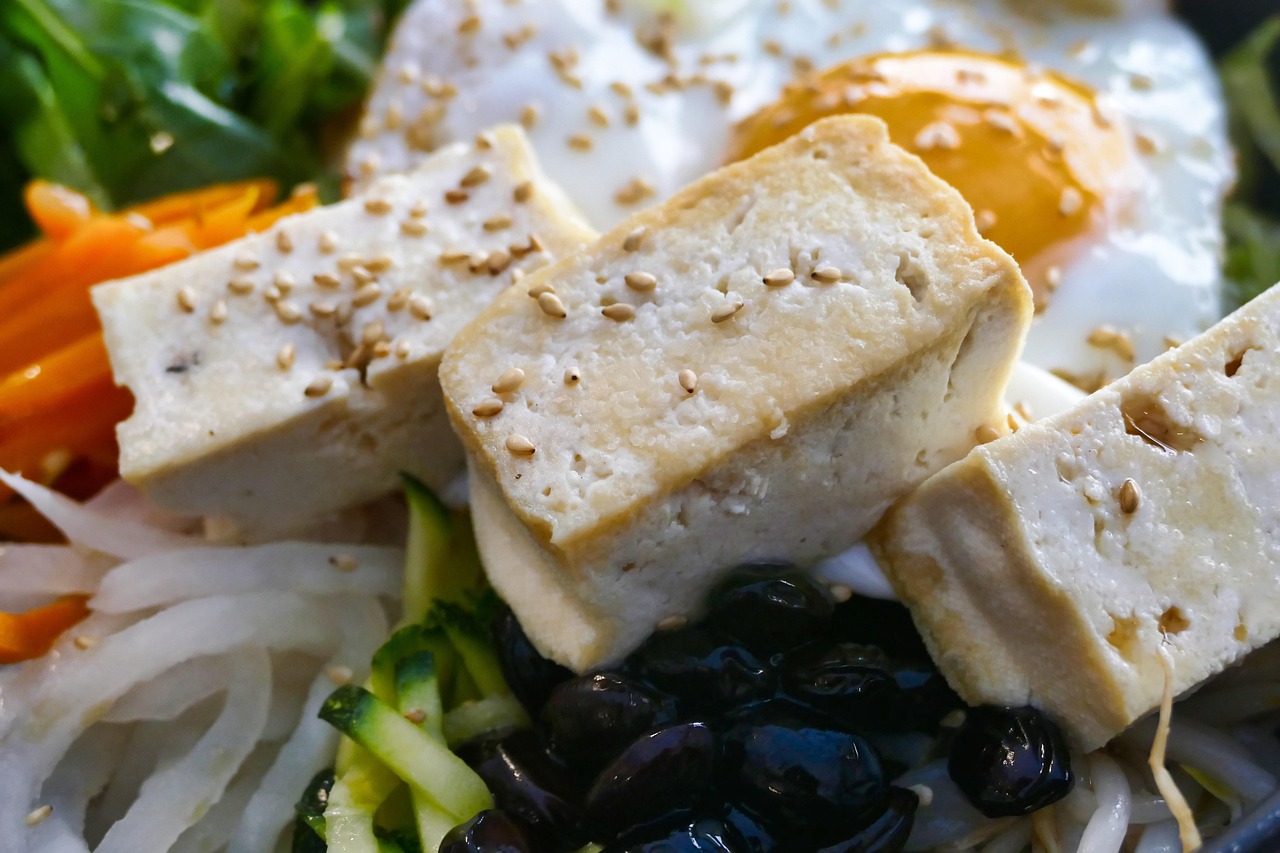
- Tofu and Tempeh: Versatile protein sources that absorb flavors well.
2. Whole Grains
Grains provide essential carbohydrates and can be a staple base for many meals:
- Brown rice: Fills you up with minimal processing.
- Whole wheat pasta: A simple base for a range of sauces.
- Oats: Perfect for breakfasts, from porridge to overnight oats.
- Bulgur wheat: Quick to cook and great in salads like tabbouleh.
3. Fruits and Vegetables
No vegan diet is complete without a colorful variety of fruits and vegetables. Here’s a seasonal approach:
- Spring: Asparagus, strawberries, carrots.
- Summer: Berries, tomatoes, zucchini.
- Autumn: Apples, pears, squash.
- Winter: Kale, oranges, brussels sprouts.
4. Dairy Alternatives
Dairy-free does not mean devoid of creamy textures or rich flavors:
- Almond, soy, oat, and cashew milks.
- Vegan cheeses for toppings or sandwiches.
- Coconut yogurt as a probiotic-rich breakfast or snack.
5. Healthy Fats
Fats are necessary for brain function and energy. Ensure these make your list:
- Avocados: Full of good fats and versatile in recipes.
- Nuts and seeds: Add crunch and nutrients to salads or yogurts.
- Olive and coconut oil: Ideal for cooking and drizzling.
Tips for Effective Vegan Meal Planning
Create a Meal Plan Calendar
Decide on a weekly or bi-weekly plan, and write down what you’ll eat for each meal. This visualization helps in understanding your diet diversity and prepares you mentally for shopping and cooking.
Prep in Batches
Cooking in large quantities can save you plenty of time during the week. Meals like stews, casseroles, and soups are ideal for batch cooking.
Experiment with Themes
Themed meal nights (like “Taco Tuesday” or “Stir-Friday”) can add an element of fun and anticipation while making the meal planning process simpler.
Common Questions About Vegan Meal Planning
How do I ensure nutritional balance in my vegan meals?
Focus on including a variety of foods in your diet. Incorporate different sources of plant-based protein, vitamins, and minerals. Use fortification wisely, especially for Vitamin B12, a typical concern in vegan diets.
What if I don’t like certain popular vegan foods?
With the variety in plant-based cuisine, there are always alternatives. Dislike tofu? Try tempeh or seitan. Not a fan of oat milk? Almond, cashew, or soy milk might be your preference.
Can vegan meals be family-friendly?
Absolutely! Meals like spaghetti, burgers, and tacos can all be made vegan and are typically loved by people of all ages. By involving your family in the meal planning and preparation, you can cater to their preferences too.
With the right information and a bit of planning, adopting and maintaining a vegan lifestyle can be seamless and fulfilling. Whether you’re a seasoned vegan or a curious newcomer, a well-planned vegan grocery list is your first step to healthful and enjoyable eating throughout the week!