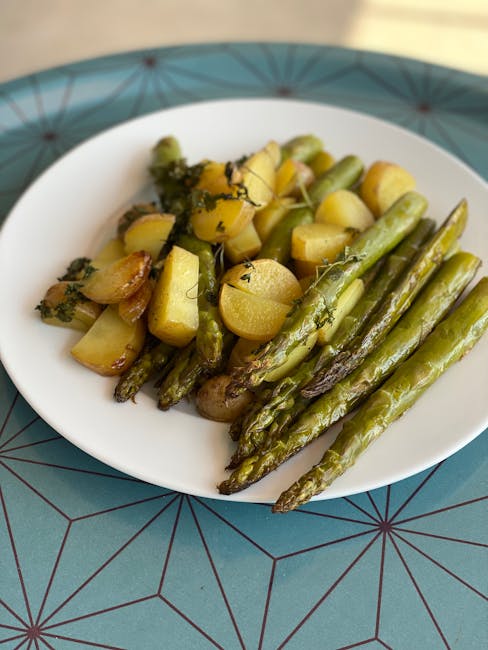
7 Easy Plant-Based Meal Planning Ideas for Beginners
Introduction: Transitioning to a Plant-Based Lifestyle Simplified
Embarking on a plant-based dietary adventure opens up a world of vibrant ingredients and wholesome benefits. However, for beginners, the shift to a green diet can seem a little daunting. Fear not! This blog post will ease your transition and ensure you have a fulfilling experience. Here, we’ll discuss seven easy and practical plant-based meal planning ideas designed specifically for beginners. Ready to discover the joys of plant-based eating? Let’s dive in.
1. Start with the Basics: Understanding Plant-Based Foods
Before you whip out your cooking utensils, it’s important to understand what constitutes plant-based foods. Focus on whole grains, legumes, vegetables, fruits, nuts, and seeds. A good tip for beginners is to familiarize yourself with several key ingredients from each category. For instance:
- Whole grains: Brown rice, quinoa, oats
- Legumes: Lentils, chickpeas, black beans
- Vegetables and fruits: Spinach, broccoli, apples, bananas
- Nuts and seeds: Almonds, flaxseeds, chia seeds
By knowing these basics, you can mix and match items to create varied meals that are both nutritious and exciting.
2. Utilize Weekly Meal Themes
A fun and effective way to simplify your plant-based meal planning is by assigning themes to each day of the week. Here are few examples:
- Meatless Monday: Focus on hearty vegetables and legumes
- Taco Tuesday: Prepare plant-based tacos with lentil fillings
- Wrap Wednesday: Experiment with different veggie and hummus wraps
- Throw-Together Thursday: Use leftover veggies and grains to whip up delicious bowls
- Smoothie Saturday: Blend together different fruits and leafy greens
Themes not only simplify the planning process but also add an element of excitement to your meals.
3. Prep in Batches
Batch cooking is a lifesaver, especially for plant-based beginners. Choose one day a week to prepare large quantities of basic ingredients. Cook grains like quinoa or rice, roast several trays of vegetables, and prepare a variety of plant-based proteins such as beans or tofu. Store these in the fridge and use them as bases for different meals throughout the week, dramatically cutting down your daily cooking time.
4. Plan Around Plant-Based Proteins
Protein is an essential aspect of any diet. For those new to plant-based eating, finding non-meat protein sources can be challenging. Incorporate a variety of plant-based proteins to keep meals balanced and satisfying:
- Legumes: A great source of protein that can be used in salads, soups, or burgers
- Tofu and tempeh: Versatile ingredients that can be marinated, grilled, or added to stir-fries
- Quinoa: Not only a protein powerhouse but also a wonderful whole grain
Understanding and utilizing these protein options will ensure your meals are nutritionally complete.
5. Sharpen Your Substitution Skills
Learning to substitute animal products with plant-based alternatives is key to enjoying a varied diet and adhering to your new eating habits. Here are a few quick swaps:
- Milk: Opt for almond, soy, or oat milk
- Cheese: Explore nutritional yeast or vegan cheese options
- Meat: Experiment with lentils, mushrooms, or commercially available plant-based meats
These substitutions help maintain traditional flavors while adhering to a plant-based diet.
6. Embrace Seasonal and Local Produce
Planning meals around seasonal produce not only enhances the flavor of your dishes but also supports sustainable practices. Check out local farmers markets and select fruits and vegetables that are in season. Not only does this approach ensure freshness, but it can also inspire you to try new, seasonal recipes.
7. Connect with a Community
Joining plant-based forums, online groups, or local meetups can provide invaluable support and inspiration. Sharing experiences and recipes with others who are also exploring plant-based diets can boost your motivation and expand your culinary repertoire.
Conclusion: Your Plant-Based Journey Begins
Embarking on a plant-based lifestyle is an exciting journey filled with discovery and learning. By integrating these seven simple meal planning ideas into your routine, you simplify the process and make each step enjoyable and stress-free. Remember, the goal is not just to follow a diet but to embrace a healthier, more sustainable lifestyle. Happy cooking, and enjoy your plant-based adventure!